
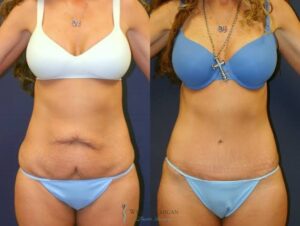
A Tummy Tuck is a cosmetic surgical procedure designed to create a smoother, firmer, and more defined abdominal profile. Also known as abdominoplasty, it removes excess skin and fat while, when appropriate, tightening weakened or separated abdominal muscles. The procedure may be considered by people whose abdomen has changed after pregnancy, significant weight loss, aging, or other life changes. Unlike weight-loss surgery, a tummy tuck focuses on improving abdominal contour and should be approached with realistic expectations and a healthy lifestyle.
How Does a Tummy Tuck Work?
During a Tummy Tuck, a qualified cosmetic surgeon typically makes an incision in the lower abdominal area to remove unwanted excess skin and, when necessary, fat. The surgeon may also repair or tighten underlying abdominal muscles to create a firmer appearance. The remaining skin is then repositioned for a smoother contour. Surgical techniques vary depending on each patient’s anatomy, goals, and amount of excess tissue. A personalized consultation helps determine which approach may provide the most appropriate and natural-looking outcome.
Who May Consider This Procedure?
A Tummy Tuck may be suitable for adults who are generally healthy, maintain a relatively stable weight, and are bothered by loose abdominal skin or weakened abdominal tissues. It can be particularly helpful when exercise and healthy eating have not fully addressed changes in the abdomen. People considering future pregnancies or substantial weight changes may need to discuss timing carefully with their surgeon. During an evaluation, the provider can review medical history, skin elasticity, abdominal structure, expectations, and other factors before recommending an individualized surgical plan.
Benefits of Abdominoplasty
One of the main advantages of a Tummy Tuck is its ability to improve the overall shape and firmness of the abdomen. Depending on the treatment plan, patients may experience a flatter-looking stomach, reduced excess skin, and a more defined waistline. Muscle repair can also contribute to a tighter abdominal appearance when separation or weakness is present. While cosmetic surgery cannot replace healthy habits, the results may complement regular exercise and balanced nutrition. Patients should remember that individual outcomes vary based on anatomy, healing, and lifestyle.
Recovery and Aftercare
Recovery following a Tummy Tuck requires patience and careful adherence to postoperative instructions. Temporary swelling, bruising, tightness, and discomfort are common during the initial healing period. Patients are generally advised to limit strenuous activities while gradually returning to normal routines as their surgeon recommends. Wearing prescribed compression garments and attending follow-up appointments may support recovery. Healing continues over several months, and the final contour becomes clearer as swelling decreases. Following personalized aftercare guidance is essential for protecting the surgical site and supporting a smoother recovery.
Choosing the Right Cosmetic Surgeon
Selecting an experienced cosmetic surgeon is an important part of planning abdominal contouring surgery. Patients should look for appropriate credentials, surgical experience, clear communication, and an approach focused on individualized care. A consultation provides an opportunity to discuss desired changes, surgical techniques, potential risks, recovery expectations, and realistic results. For individuals exploring treatment options in Bluffton, South Carolina, Sculpt Cosmetic Surgery provides customized cosmetic care designed around individual aesthetic goals. More information about available procedures can be found at sculpt-cosmeticsurgery.com for those considering their next step.
What to Expect From Your Consultation
A consultation for a Tummy Tuck should be a detailed conversation rather than a one-size-fits-all recommendation. The surgeon evaluates the abdomen, discusses concerns, reviews relevant health information, and explains which techniques may best address the patient’s goals. It is also an opportunity to ask about incision placement, anesthesia, recovery, scarring, risks, and expected results. Understanding every stage of the process can help patients make informed decisions. With appropriate planning and realistic expectations, abdominal contouring can be an effective option for achieving a firmer, more proportionate silhouette.